
Archive for category Social Media Marketing
How to Get Started with Localized Internet Marketing in the Seattle Area
Posted by Rory Martin in Search Engine Marketing, Search Engine Optimization, Social Media Marketing on April 25, 2014
If you’re marketing a local business here in Seattle, then Internet marketing can actually do more for you than you might think. While many people think of the Internet as an all or nothing worldwide marketing venture, it doesn’t have to be. There are plenty of local outlets, websites, and tactics for locally marketing your business on the web. While it does start with social marketing, there are a number of different internet marketing tactics you can use.

Blog Marketing
If you have a produce then you can get blogs to cover your product. Usually the process isn’t free because you will have to offer them your product to review or write about, but if those blogs have a following then you can get customers from it. Great places to try include neighborhood newspapers, and local blogs that cover your niche. For example, if you want to promote a restaurant, you would want to look for local food blogs with a following, local social pages and groups about food, and local newspapers with a food column. In this case, by offering a free meal to the blogger or reviewer in exchange for coverage, you get increased hype and hopefully customers as well. The trick is that the person in question has to be impressed in order to write something good about you.
Content
Content marketing is the single best way to promote your topics to the world wide web, but if you want to keep things in the Seattle market then you will have to create selective content. Find out what local people want to know about your niche, and then create content that helps them with that. User created content like videos, reviews, and comments also help with local content marketing and help to boost your local SEO, so try encouraging user created content whenever possible.
Localization
Localization is a huge deal if you’re marketing to a specific area. While you can just include your address and a few localized keywords on your website, you can also localize in a few other ways. You can create blogs and posts based towards specific areas and neighborhoods. You can also set yourself up on Google Local and Google Places to come up better for localized search. Finally, set up your page with a location on Facebook so that you come up under Graph searches for content in your area.
Social Pages
Social pages are very important for almost any type of business, but the smaller your business, the more people want to see an active social page before they’re going to want to buy from you. The key here is to encourage your clients and customers to review you on your social pages so that new customers will see positive hype about you as soon as they go on the page. While you won’t always be able to make this happen, it will definitely help.
If you need help with your localized Seattle internet marketing then try contacting Rory Martin for advice. We’ve worked with dozens of companies, and we can help you too.

How to Boost Your Social Media With Referrals & Reviews – Seattle SMM Tips
Posted by Rory Martin in Search Engine Marketing, Social Media Marketing on April 18, 2014
In today’s digital world, social shares and customer referrals are still among the best ways to get new customers, especially if you have a small business. Because the majority of consumers now do research online and on social media before purchasing products, getting your customers to recommend and refer customers to you can be hugely beneficial to your business.

Ask
The easiest way to get reviews on your social pages is to quite simply ask. If you have regular customers then take a few minutes to tell them how good reviews on your social sites (Facebook, Yelp, Google Plus) will help you to get new customers. Just take a few minutes for each customer, be genuine, and ask them to leave a review. Many of them will respond, especially if they know you relatively well.
Incitements
For newer customers, you may have to offer incitements to review. In some cases you can offer something simple like a 10 or 15% discount. You don’t want to go too high, but if you make the discount too low then they might not want to leave the review. On the other hand, if you usually offer incitements to get customers to return, then you can offer a slightly higher discount for the review. Alternatively, you can offer small prizes or something for free to people who leave a review. However, you do not want to ask them to leave you a good review, just an honest one.
Offer Referral Bonuses

Referrals are another great way to get customers, and you can offer referral bonuses, even if you don’t have any sort of online sales. Instead, you can track the referrals from each person using a business card with their name on it, and when they get to a certain amount of referrals, offer them a discount or a bonus. Usually a great way to create this sort of referral bonus is to offer a 10% discount to the person being referred and then a $5-$10 discount per referral to the person doing the referrals. That way, everyone wins. Some people try to use this sort of program to get likes on their social pages, but this is most likely a waste of time as likes on a page aren’t necessarily profitable.
You should keep in mind that while reviews can do a great deal for your page, you do want them to be natural. Fake or paid reviews tend to stand out, and if all of your reviews are the same then clients will notice. Keep the reviews and referrals on your page genuine, and your consumers will respond. Usually the best way to get great reviews is to offer great service, and then ask for the review.
Do you want to know more about localized Seattle social marketing for your business? We can help you by putting together a professional marketing scheme that will get you the reviews, referrals, and hype that you need to grow your consumer base and make more money.
Seattle Social Media Marketing – Google Plus
Posted by Rory Martin in Social Media Marketing on April 11, 2014
If you’re like the majority of business owners then you have a Facebook and probably a Twitter, and if you’re on top of things, then you might even have an Instagram. Despite that, only around 5 million businesses worldwide use Google Plus. That may sound like a lot but statistics show that there are over 23 million small businesses in the U.S. alone. That means that less than 1/4 of the United States small businesses are using Google Plus, without even considering big businesses and corporations. Unfortunately, that could be a mistake on their part. Google Plus can be a huge part of your Seattle social media marketing, and you don’t want to miss out.

Google Local
Google Local is a powerful tool that Google offers to Google Plus businesses with a Page. Google Local essentially puts your business on the map in Google Search when you verify your address, sign up for Google Places, and make your page public. So, if you had a coffee shop in downtown Seattle, you would show up as a dot on the map whenever someone searched for coffee shops in the area.
Reviews
Google Pages allow users to review the pages, and these reviews show up in search. If you’re running a quality establishment and you encourage happy customers to go and leave you a review, you could build your potential new customers by increasing user based trust. Reviews show up in the form of stars next to search pages with Google Plus Pages, and you can be sure that this does increase click-through rates.
Hangouts
If you have any sort of product reviews, interviews, chats with customers, or similar that you would like to share on the web, the Google Hangouts give you the opportunity to do so. Hangouts on Air are live video chats that can include up to ten people with a single host, and then afterwards, they are saved onto the host’s page. They also show up in search, so you can continue to benefit long after the Hangout is over. Google Plus also integrates YouTube videos uploaded with the same account onto the same page.
Local Communities
On Google Plus, you can join and build local Communities by joining Communities, Groups, and Events. You can also create any of these that you choose and allow local people to join. Creating events allows you to promote specific items and have them show up on Google Calendar. Creating a community allows you to follow and track discussions, start conversations, and build hype around your business. Creating or joining groups gives you a place to share and promote your content with like minded people
There are dozens of reasons to join Google Plus and best of all, most of your competitors wont’ be on it. However, you can’t expect to join and get hundreds of followers. You’ll have to interact with your fan base, use hashtags, and promote it to your in-store customers if you want it to take off and truly benefit your business. If that sounds like too much work, consider hiring a professional Seattle social media manager to get the job done for you.
Seattle Social Media Management Tips Improving Social Engagement
Posted by Rory Martin in Search Engine Marketing, Social Media Marketing on March 14, 2014
While statistics show that some 80% of small businesses are using social media, especially Facebook, LinkedIn, and Google +, but those statistics say nothing about active engaging pages. Unfortunately the majority of business owners have no idea how to engage with their fan base, and most have no idea how to grow their fan base, other than by inviting their friend’s list from personal pages.

Understanding Fans
The first step to improving any sort of Seattle social media campaign is to understand your fanbase. Depending on what platform you happen to be on, your fans may want to see entirely different things. You also have to consider how and why you asked your fans to join the page in the first place.
Did you offer coupons and discounts to fans on the page? Did you just invite everyone you know to the page? You can also use some analytics information to see what your fans are responding to the most, and you can also check to see what your most active fans like from their page (unless this information is private). Understanding what your fans want to see helps you to create a better content strategy that engages people, because it is what they want or love.
Balancing Engaging & Promotional Content
The main job of any social media site is to entertain and inform. You want your page to do this, but you also want to balance in promotional content. Unfortunately, most people don’t respond well to pages that simply share their products, or share things about themselves. If you want to share something and you don’t have a good reason (such as it being on sale), you want to do so in an interesting and informative way.
Sometimes that way is to share it with a customer photo and customer review, other times it is to point out that a celebrity or popular TV show used it or something similar. You can also write blogs about it and share those as a form of promotion as well. For example, if you sell modern lamps, blog posts about different types of modern lamps, how to style modern lamps, and even how to fit lamps into your modern styled house could all go over well. Finally, you can post humorous content relating to your topics, interesting photos of your products, or reviews and quotes about your products from around the web.
What Makes Good Content?
Good content varies depending on the page, but a good rule of thumb is to create your content, read it, and if it’s not interesting or informative in some way, you probably don’t want it. Consider “Does it ask a question”, “does it teach something new”, “does it make people think”, “does it make people laugh”, “If this were not my business would this make me want to purchase something?”. If you can say no to all of these, then it’s probably not worth posting.
Hiring a Professional
While many small businesses cannot afford to hire a full time social media manager, some 37% of small and medium sized businesses do. A well managed social campaign can and does improve sales, and paying for a social media service should pay for itself within a certain amount of time. Want to know more? Send us a message to find out more about a Seattle Social Media Company can take your social pages and turn them into highly engaging pages that market themselves to sell your products.
Seattle Social Media Tips – What You Can Learn From Analytics
Posted by Rory Martin in Social Media Marketing on March 7, 2014
Social media is a part of life for millions of business owners worldwide but few of them use analytics like they should. Whether they don’t have the time to sit down and monitor results, don’t know how to do so, or don’t understand the data, many businesses are missing out on the powerful information that social analytics can provide. With that in mind, if you don’t understand your data, then you may want to hire a professional Seattle social media manager like Rory Martin to help you out. Otherwise, here are a few important things you can learn from your social analytics programs.

Engagement
Engagement is more important than the number of fans, followers, or likes on your social page. This is because 50 fans who interact with your page are more likely to make purchases than 2,000 people who don’t even see your posts. By measuring engagement, you’re measuring how successful your page is. For example, if you’re on Facebook and you have 15,000 fans but only 200 people talking about you, you’re only really making an impact on those 200 people. You can take steps to raise your engagement to raise awareness, raise page success, and of course, increase consumer interest.
Demographics
While you may already have a good idea of what demographic your content appeals to, using social media to analyze your demographics will tell you a lot more. By looking at the age, location, and if possible, number of purchases from each fan, you can get a better idea of where you have to target future ads, campaigns, and even products. For example, if you’ve been targeting towards an 18-25 year old consumer base but your analytics show you that just as many 30-35 year olds are following your pages, you can redirect your content to include items and promotion aimed specifically at them.
Popular Content
Another great thing about any social analytics is that it shows you which posts are popular, which aren’t, and which types of posts get the most engagement over time. If you watch your analytics then you will eventually see a pattern and can start to tailor more of your posts towards what people want to see. By recognizing popular content, you are giving yourself the tools to duplicate it.
Traffic Sources & Conversion
For this final form of tracking your social media, you will need Google Analytics or another similar analytics program. Once you tell it what your social pages are, you can get to work tracking your conversion to see how successful your social campaigns are in terms of pushing sales and visits. This allows you to directly track the profitability of your social media in terms of web visits and sales. If that’s what your social pages are about, then it’s important to track this data.
Don’t know how to use any of these social analytics? Talk to Rory Martin, your local Seattle social media management company and we’ll help you out with creating a social marketing plan that works, and follow up with all of the analytics you need.
Seattle Social Media Tips – Social Customer Service
Posted by Rory Martin in Social Media Marketing on February 18, 2014
Social Media is one of the dominating forms of marketing, and has been for some time, but many businesses are just now beginning to utilize it effectively. However, with at least 80% of businesses saying that they are active on social media, and a recent survey of over 600 small business owners showed that more than 42% get a larger percentage of new customers from their social media pages. Those that do are using their pages for more than just promotion, they’re actively engaging, talking with, and helping their potential customers. Keep reading to find out how to integrate customer service into your Seattle social media strategy.

What is Social Customer Service
Social customer service is quite simply, the process of responding to, helping with, and solving queries and issues presented on a page via social. Unfortunately, studies show that approximately 80% of these queries currently go unanswered, which often looses a sale or a customer. Reasons people post on social media include questions about a product (answering could lead to a sale), problems with an order (answering could lead to a happier customer), and issues with a product (answering could help prevent a bad review). Because the majority of problems presented on social media are easily fixable, not answering them can actually hurt your business, while taking the time to answer them can and does make sales happen.
So How Do I Improve Customer Service?
Just like with ‘real’ customer service, social customer service requires work. You have to respond to and actively answer questions. While you obviously cannot do this 24/7, you should set aside a few minutes a day to check to make sure there are no questions, comments, or messages on your social that you should answer. In some cases, like with Twitter, these can be harder to find. In other cases, like with Google + and Facebook, finding questions and answering them is relatively easy. Remember to be polite, and to research the answer before you send a reply. Just answering is the first step to improving your customer service but you also have to make sure that you give the right answers.
If your consumers have issues, remember that they are no less important because they are using social. If you would normally offer a solution or a discount or partial refund to make up for the trouble, then do so on the page. Importantly, because this is public, it shows your other fans that you are willing to take steps to make sure that buyers are happy with your business.
Following Up
Customer service is an important part of any businesses success, and you have to make sure that yours is everywhere that you are. This means making sure that your customers are happy after they ask questions by following up within a week to ask if they are happy, (this also increases engagement), sharing customer questions and your answers as status posts, and staying on your toes when it comes to actually answering questions. If you’re getting too busy to handle this sort of thing, then your best bet may be to hire a professional Seattle social media management company to do it for you, because your online reputation and customer service does drive sales.
Seattle SEO Tips – Calculating Your SEO Budget Using Anticipated ROI
Posted by Rory Martin in Social Media Marketing, Social Networking on February 11, 2014
If you’re planning on starting an SEO campaign, or hiring a Seattle SEO company to do it for you, then you need to know how much you can afford to spend on it. Your anticipated ROI (return on investment) is the easiest way to make that decision because it shows you how much you can expect to make in return. Unfortunately, you cannot estimate exactly how much you can earn, but you can find your anticipated ROI, which is how much you should make.
Finding your Average ROI
To find your anticipated ROI, you have to know a few things about your website.
- How Much Traffic Do You Get Each Month?
- How Many Sales Do You Make Each Month
- How Much Does Each Sale Generate in Profit Revenue
These questions are a little more complex than they seem at first, especially because sales and value do vary depending on the item. For example, if you have 200 items varying between $1 and $200 each, then your value per sale can fluctuate a great deal. However, if you make 500 sales per month and earn $17,500 then your average value per sale is a median of $35. While this might vary per month, you can also do it per year. If you made $210,000 in sales in 2013, and roughly 6,000 sales, then your average sale value is still $35. For traffic, try using Google Analytics, or your analytics program of choice.
Profit Revenue is important because it suggests how much you actually make rather than perceived profit. If you’re only raising the price of your items 40% up from what you’re spending to make them then your profit off of $210,000 in sales is only $84,000.
Finally, you have to calculate your average conversion rate. If you have an average of 7,000 visitors per month and make 500 sales per month, then you have a 7.14 percent conversion rate.
How to Use Your Anticipated ROI
If you use the numbers listed above:
7,000 visitors = 500 sales = $17,500 = $35 per sale with a $14 profit off of each sale
Then you could estimate that if you drive 100,000 visitors to your website with a 7.14 percent conversion rate, then you could theoretically drive 7,139 sales. At the same profit margin rates listed above, that would make for $249,865 in generated sales or $9946 in actual profit. So, your SEO budget would have to be $9,900 or less in order to break even.
Because you want ‘ROI’, return on investment, rather than breaking even, your SEO budget should be around $5,000, which is where most good SEO campaign managers start their prices. Of course, you can scale up or down depending on your budget, your goals, and your ROI. Plus, if your sales generate around $100 in profit, you have to push far fewer sales in order to get a positive ROI.
Variables
One important thing to remember about SEO is that it can drive a great deal more traffic than estimated. You don’t always ‘get what you pay for’, because while 100,000 people might click on your website, the same could be said of 500,000 people. In addition, sometimes SEO depends on other factors, such as Google updates, competitors, and current ranking. If you want a real estimate of what your Seattle SEO manager can do with your budget, make sure that you talk to them first.
Quick Tips for Improving Your Seattle Social Media Campaigns for 2014
Posted by Rory Martin in Search Engine Optimization, Social Media Marketing, Social Networking on January 28, 2014
With an estimated 90% of small businesses on social media, it is becoming more important than ever to get yours going. Unfortunately, while more than three quarters of businesses do have social accounts, most have no idea how to utilize them to make sales and create customers. In fact, some 58% of social users claim to have difficulty driving engagement, let alone sales. So what are you doing wrong?

Localized Targeting
If you live and work in Seattle, then you would want to find local businesses that can offer local services. For example, there is probably a coffee shop near you. Chances are that if you go to their Facebook, they aren’t doing anything to target their specific audience, and if they are, they’re probably targeting Seattle, rather than their neighborhood. For example, a bakery located on Pike Place might advertise themselves as a ‘Seattle Bakery’ on their website. Unfortunately, this isn’t going to drive too much traffic because while ‘local’, Seattle is really big. Instead, that same bakery should focus on ‘Pike Place’ as their local domain, and use targeted keywords, hashtags, and interact with neighborhood pages and groups.
Don’t Over Promote
Promoting on any social is a fine balance of offering value alongside company promotions because no one wants to see post after post of “You’ll love our stuff – go buy it!”. Most Facebook and Twitter managers already have a pretty good handle on this sort of management, but most of the non-pros still have to catch on. Try interspersing your coupons and sales, and direct links with useful information like customer reviews, questions and answers, funny photos, and even contests. You’ll get a lot more interaction, and as a result, more business.
Demographics
Another increasingly common problem is that many businesses just want fans and don’t care where or how they get them. Unfortunately, if your likes and +1s aren’t in your demographic, you won’t be making any sales. Why not? Because if you’re primarily selling ballet shoes for toddlers then you won’t be making very many sales to single men aged 18-25. The point is that almost every type of business has a demographic, and that demographic is what you should focus on for your social. Finding and targeting your demographic is a huge part of a professional social media campaign because it increases sales, interaction, and ROI.
Non-Goal Oriented Posts
One of the biggest mistakes that you see in any social media campaign is that the majority aren’t goal oriented. While most of us realize that being on social is a good thing, and that it can make sales, we don’t understand the process quite enough. That’s where an established Seattle social media company like Rory Martin can help you, we can create and realize goals based on the capabilities of your business. Goal oriented posts are those that strive to get to a certain amount of sales, likes, or shares, so that you get a certain amount of ROI in return.
Do you want to know more about starting a localized Seattle social media campaign? Contact the experts at Rory Martin today to find out more, or to talk to one of our professional social media managers.
What Can Hyper Localization Do For Your Seattle SEO Campaign
Posted by Rory Martin in Social Media Marketing, Social Networking on January 7, 2014
Hyper localization, it’s the new big thing, the ‘next big SEO trend’, and the first SEO trend in 2014. Unfortunately, most of us don’t understand what it can do, especially not in terms of sales. After all, doesn’t decreasing your market demographic decrease sales, actually not really. The thing about hyper–localization is that it’s meant for small business who serve a local area.
So What is Hyper Localization Anyway?
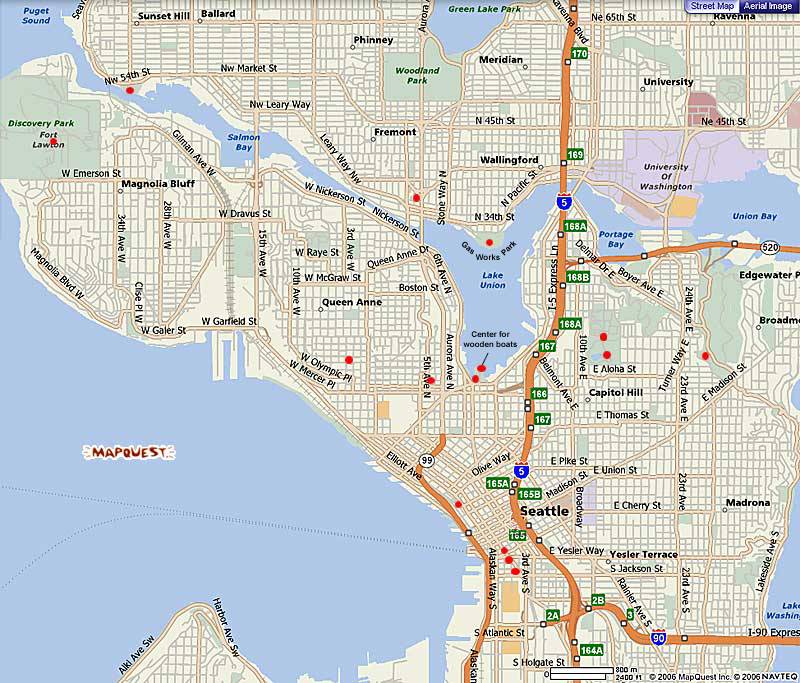
What is hyper localization? It’s the process of taking a ‘local’ Seattle SEO campaign and turning it into a ‘local’ single street or neighborhood campaign. So for example if you’ve been advertising yourself as a ‘Seattle business’, you can now advertise yourself as a ‘Lake Union’ business. The difference is that instead of marketing to someone who might be a twenty or thirty minute drive away, you’re mostly targeting people within a five to ten minute drive, and hopefully walking distance as well. You can probably guess that this isn’t the right strategy for everyone, but might be able to see that for small businesses, restaurants, and bakeries, it can be a godsend.
Benefits of Hyper Localized SEO
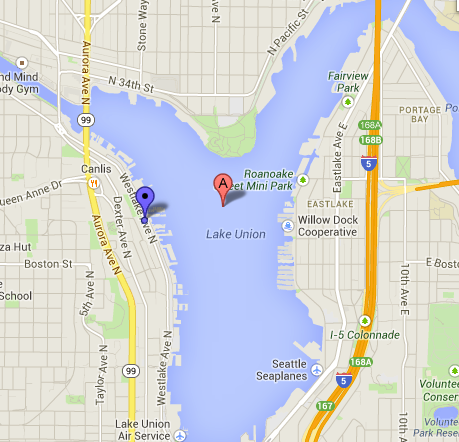
Hyper-Localization Gives You In Depth Location Based Search Results
Targeting a very small and specific demographic has a number of pros and cons, but the cons are mostly only applicable to larger businesses. As a small cafe, you can benefit from hyper localized SEO by targeting the people near you to make more sales. You can also decrease your spending budget because you’re only spending money on a very small area. Most importantly, you’re actually more likely to make a sale because your target demographic doesn’t have to travel to see you. You’re right there and they can drop by at any time. Some of the most obvious benefits of hyper-localized SEO include the following:
• Less Keyword Competition
• More Interested Demographic
• Better Chances of a Repeat Sale
• Ability to Build a Community
• Relevance
Someone who looks up ‘baker on Broadway E’ is likely looking for somewhere to go pick up cupcakes. On the other hand, someone who looks up ‘baker Seattle’ is probably looking to see what options are available for a future order. So, in a way, hyper localization is a bit like using long-tails in that consumers are often searching relevant shops and stores where they can buy something, rather than researching their options.

Bakers on Broadway E.
Using Hyper Localization
Most social pages already engage in hyper localized SEO. For example, if you set up a small local business page on Facebook, you can put in your exact address, as well as your opening hours. Anyone who uses Facebook’s Graph search to look up ‘This sort of business in this area’ is going to find you. Google + also features this sort of optimization through Google Local Pages, but the difference is that you come up in Google search on the map as well, which can be a great deal more beneficial. While this is social media marketing rather than ‘SEO’, it can still do a lot for your local sales.
Hyper localized SEO is still catching on, but it also still has a ways to go. If you think you can benefit from this sort of SEO campaign, then why not try it out. Contact Rory Martin for a consultation on your localized Seattle SEO campaign.
Get Your Seattle Social Marketing Campaigns Into the Holiday Spirit
Posted by Rory Martin in Social Media Marketing, Social Networking on December 17, 2013
December is the season for Holiday cheer, but it’s also the season for targeted campaigns across your social and blog. With more and more businesses gearing up to make sales, and more people buying things, the month is the perfect time to increase sales by focusing on a new marketing campaign. While you can focus on your social, content, or ads (or hopefully a combination of all three); you have to tailor your campaign to focus on your demographic for the season to get the best results.

Research Your Demographic
Even if you already know everything about your demographic, you still have to research. This is mainly because the holiday shopping season is a little different, your customers and clients have different needs than usual, often because they are shopping for someone other than themselves. You can settle on who you’re aiming your offers too, decide what they are likely to be interested in, and how much. For example, there is a huge gap between marketing business services to businesses that may need more of them for the holidays and marketing shoes that might make good gifts. Knowing your holiday demographic allows you to decide when, where, and how to push your campaign.
Avoid Focusing Only on Christmas
The best thing about the month of December is that it’s not all about Christmas. You can focus your advertising campaign on anything from the months leading up to Christmas, Hanukah, or even New Years. The point is that you don’t have to focus all of your efforts on Christmas. Instead, figure out a marketing campaign that focuses on as many sale points as possible in your industry, and make the most of it.
Don’t Forget to Be Human
With Christmas and other holidays right around the corner, it’s more important than ever to instill the idea that you care about your customers. Acting like a human being and not a robot or sales pitch can win you more loyalty then any amount of products, so remember to keep it in mind. If you’re donating to charities, try bringing it up (without bragging) on your social to let people know you’re using their money to do good. Responding and talking to people who talk to you can also go a long way towards improving your business humanity, but remember that you don’t want to go too far into overly formal or overly friendly. If you’re not sure what to do, try looking around and checking out what other people are successfully doing.
While December is a little too late to put together a full holiday marketing campaign, it is the perfect time to start gearing your social towards the holidays if you haven’t’ already. Holiday themed offers, last minute gift tips, and even a holiday event can all be part of your holiday social strategy, just make sure that you have the time and resources left to plan them. If you’re not sure where to start, consider a Seattle social media company to design your strategy for you.
Recent Comments